quality automotive solutions for Denver Auto Mechanic
Get Back on the Road With Confidence - Reliable Auto Maintenance
Essential auto repair guarantees vehicle safety and performance. A reputable shop offers comprehensive work, from regular inspections to critical maintenance. Determining when your vehicle requires service can prove challenging. Many drivers find it difficult to locate dependable repair experts. Ongoing upkeep contributes significantly to extending a vehicle's lifespan. Yet, the challenges regarding expenses and communicating with technicians can leave one hesitant. Which strategies can vehicle owners follow to maintain their vehicles in driving condition?
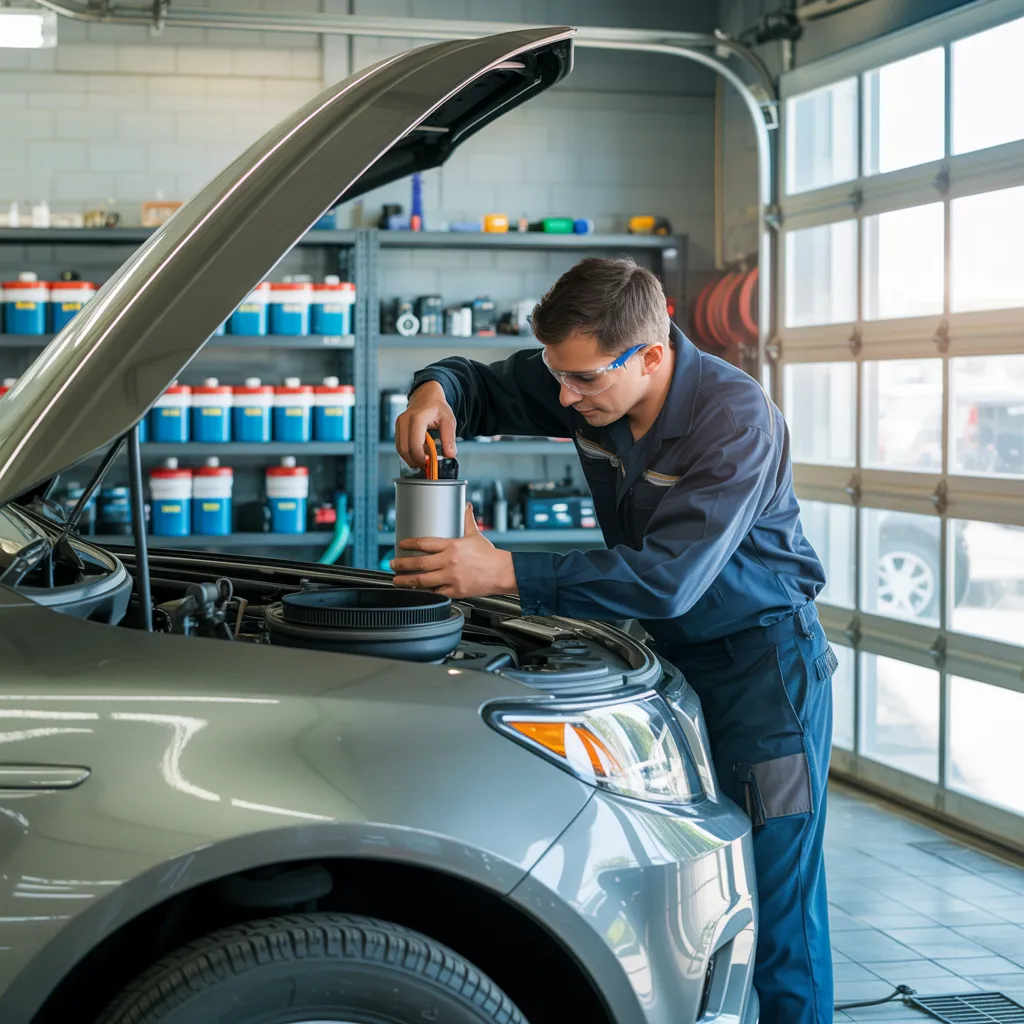
Understanding When Your Car Requires Repairs
How can one determine when a vehicle needs repair? There are various key indicators that indicate a service requirement. Unusual noises, such as grinding or squeaking, often hint at brake or engine problems. Warning lights on the dashboard, particularly the check engine light, should not be ignored, as they signal potential problems that demand immediate inspection. Additionally, a drop in performance, such as sluggish acceleration or difficulty starting, can also indicate underlying mechanical issues.
Visual markers, such as oil seepage or uneven tire wear, are additional warnings that maintenance is needed. If the vehicle pulls toward one direction while in motion, this could indicate alignment complications or tire defects. Consistently monitoring these factors can help guarantee timely servicing, avoiding greater harm and financial burden in the future. Ultimately, being observant and forward-thinking is vital for keeping your vehicle healthy.
How to Find a Trustworthy Auto Repair Shop
Locating a reliable auto repair shop can be a challenging task for vehicle owners. To begin, people should seek recommendations from friends, family, or work associates. Personal experiences often convey pertinent information into a operation's quality of service. Online reviews and marks on platforms like Yelp or Google can further help evaluate customer satisfaction.
Next, verifying certifications and affiliations with established professional bodies, such as the Automotive Service Excellence (ASE), can indicate a shop's commitment to professional standards. It is recommended to check out candidate facilities for an first meeting, enabling customers to evaluate cleanliness, organization, and customer service.
Additionally, procuring written estimates before any work starts can prevent misunderstandings about costs. Finally, a trustworthy shop should be transparent about its services and willing to explain repairs. By undertaking these steps, vehicle owners can boost their chances of discovering a trustworthy auto repair shop.
The Significance of Consistent Vehicle Maintenance
While many vehicle owners may ignore regular maintenance, regular vehicle maintenance is crucial for ensuring a car's lifespan and peak performance. Skipping upkeep can lead to a cascade of issues, from small hassles to significant breakdowns. Routine checks, such as oil changes, tire rotations, and brake inspections, can prevent costly repairs and enhance safety on the road.
Moreover, routine upkeep helps preserve a vehicle's fuel efficiency, reducing overall expenses. It also maintains the selling price; a well-maintained car is often more attractive to prospective buyers.
Taking part in routine care fosters a sense of responsibility among owners, pushing them to keep informed about their vehicle's requirements. By focusing on regular care, vehicle owners not only preserve their financial commitment but also help general driving safety. Ultimately, regular vehicle upkeep is a strategic initiative that serves both the owner and the broader community.
Comprehending Repair Pricing
Understanding maintenance costs can frequently appear challenging for car owners. Numerous aspects play a role in such expenses, encompassing labor fees, component pricing, and the degree of complexity involved in the repair job. Labor costs differ significantly according to location and establishment, commonly revealing the technician's background and the shop's operating costs. Moreover, the variety of components selected—if original equipment manufacturer (OEM) or third-party alternatives—can substantially shape the final amount.
Vehicle age and model also contribute; vintage or rare models may need specialized parts that are more expensive and harder to source. Furthermore, unforeseen problems can material occur during maintenance work, leading to supplementary charges that were not originally expected. By gaining a basic understanding of these elements, vehicle owners can tackle repair quotes with increased assurance and make informed decisions regarding their vehicle requirements.
How to Plainly Detail Car Issues to Your Mechanic
Effectively communicating car problems to a mechanic can significantly improve the diagnosis and repair process. When explaining problems, car owners should be detailed about symptoms, such as strange sounds, vibrations, or warning lights. Offering information on when the issue happens—whether during speeding up, stopping, or running at rest—can also help the mechanic identify the issue.
It is significant to identify any recent changes in driving conduct or upkeep records. Choosing simple, plain language sidesteps vagueness, permitting the mechanic to understand the problem better. Owners should avoid incorporating industry terminology unless they are confident in its interpretation.
Furthermore, submitting paperwork, like service records or previous repair invoices, can supply context. A clear description not only supports swift diagnosis but also strengthens a collaborative relationship between the car owner and the mechanic, ultimately producing effective repairs.
Creating a Durable Partnership With Your Auto Repair Shop
Developing a sustained relationship with an auto repair shop depends on trust and transparency. Consistent excellent service solidifies this bond, while open communication channels make certain that patrons are made to feel valued and heard. Together, these elements create a partnership that benefits both the patron and the mechanic.
Create Trust Using Transparent Sharing
When customers feel well-informed about the services their vehicles need, trust naturally forms between them and their auto repair shop. Transparency in communication is fundamental; it allows customers to understand the logic behind advised repairs and maintenance. Auto repair shops that provide clear information, precise estimates, and open dialogues promote a sense of confidence among their clientele. This openness not only clarifies the repair process but also empowers clients to make well-informed decisions. Additionally, sharing information about the shop’s qualifications, warranties, and service history improves credibility. By focusing on transparency, auto repair shops can nurture lasting relationships, encouraging customer loyalty and retention. Ultimately, trust through transparency enables a more satisfying and trustworthy auto repair experience.
Uniform Quality Service
Consistent quality service is the foundation of a lasting relationship between customers and their car repair facility. When customers receive reliable and efficient repairs, they are more likely to return for future maintenance. This dependability builds trust, allowing customers to feel confident in the skill of the technicians. Over time, as customers witness the same quality benchmarks being upheld, a sense of loyalty develops. Regularly performed quality checks and adherence to industry standards guarantee that vehicles are not only repaired but also maintained to prevent upcoming problems. Such commitment to excellence creates an environment where customers sense appreciation, knowing their vehicles are in skilled hands. Ultimately, this commitment to consistent quality service strengthens the relationship between auto repair shops and their clientele.
Create Communication Routes
Effective dialogue serves as an vital link between customers and their auto repair shops, strengthening confidence and clarity. Transparent communication channels create a cooperative environment where clients feel valued and informed. When repair shops offer clear explanations concerning services, prices, and schedules, clients can make more informed decisions about their vehicles. Frequent notifications during repairs can alleviate anxiety and build trust in the shop's expertise. Conversely, clients who communicate their concerns and needs add to a more customized service. This mutual dialogue not only reinforces connections but also promotes loyalty. By prioritizing open communication, auto repair shops can establish a standing for reliability, guaranteeing that customers return for future needs, assured in the work they will receive.
Common Inquiries Asked Often
What Must I Do if My Car Stops Suddenly?
If a vehicle stops working unexpectedly, the driver should cautiously exit the traffic lane, switch on hazard lights, examine the situation, and seek roadside assistance or a tow service if needed. Staying calm is essential.
How Can I Verify if a Mechanic Is Sincere?
To determine a mechanic's trustworthiness, one should check reviews, ask for referrals, verify qualifications, and notice openness in pricing. A trustworthy technician will speak plainly and provide detailed explanations of required maintenance and work.
Do vehicle repair warranties exist?
Many auto repair shops offer warranties on their work and components, typically spanning 90 days to several years. Customers should ask regarding specific terms and conditions to guarantee adequate protection for their repairs.
What Requirements Should I Keep in My Car for Urgent Situations?
A adequately supplied car should have a spare tire, jack, jumper cables, flashlight, first aid kit, basic tools, and tire pressure gauge. These requirements help guarantee safety and tackle minor issues during unexpected emergencies on the road.
How Can I Ready My Car for Seasonal Transitions?
To make ready a car for climate shifts, one should check fluid levels, inspect tires for wear and inflation, check the power source, change wipers, and make sure lights function properly for optimal safety and efficiency.